
Clean ingredient snacks are foods made with a short list of real, recognizable ingredients and nothing artificial hiding in the fine print. Sounds simple. The reality on the shelf is messier, because “clean” and “natural” aren’t regulated terms, so brands sprinkle them on just about anything.
That’s why the label is your best friend. Learning to read one takes about ten seconds per bag, and it’s the difference between a genuinely clean snack and clever packaging.
Whether you’re browsing the aisle or shopping for healthy snacks online, this guide breaks down what to scan, then shows what a simple label looks like in the wild.
Quick facts to anchor your label-reading:
- Fewer ingredients usually means less processing.
- The oil matters: avocado oil beats cheap seed oils.
- “Natural flavors” is a vague catch-all, not a clean badge.
- Gluten-free matters for the roughly 1% of Americans with celiac disease.
What counts as a clean ingredient snack?
A clean ingredient snack is one whose label reads like a short recipe: whole foods you recognize, no artificial dyes, no synthetic preservatives, and no long chemical names. If you’d struggle to find the ingredient in your kitchen, that’s a flag.
The number of ingredients is a fast first filter. A snack with five recognizable items is usually cleaner than one with twenty. From there, look at how it’s cooked and what it’s cooked in. Processing and oil quality tell you a lot.
Clean doesn’t have to mean bland or boring, either. The goal is real ingredients with real flavor, not a list of lab-made shortcuts. That’s the whole point of clean ingredient snacks.
How do you read a snack label before you buy?
Reading the label on clean ingredient snacks comes down to scanning five things in order: ingredient count, the oil, additives, allergens, and certifications. Top to bottom, fewer and simpler wins.
Use this quick framework next time you’re in the aisle:
Label clue | What to check | Cleaner choice |
|---|---|---|
Ingredient list | How many, how recognizable | Short list of whole foods |
Oil | Type of oil used | Avocado oil over seed oils |
Additives | Dyes, artificial flavors | None or minimal |
Grains and gluten | Wheat, corn, rice fillers | Grain-free, gluten-free options |
Certifications | Non-GMO, vegan, gluten-free | Clear, verified labels |
One detail people skip: seed oils. Soybean, canola, and generic “vegetable oil” show up in tons of “healthy” snacks. A brand that chooses avocado oil instead is usually paying attention to the rest of the recipe too.
Allergens matter as well. Gluten-free isn’t a trend for everyone. About 1 in 133 Americans has celiac disease, per Beyond Celiac, and many more have a sensitivity, so a clear gluten-free label is genuinely useful.
What does a clean snack label actually look like?
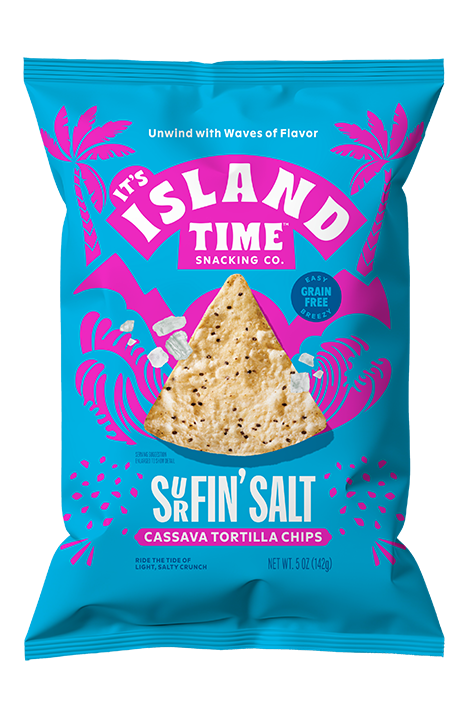
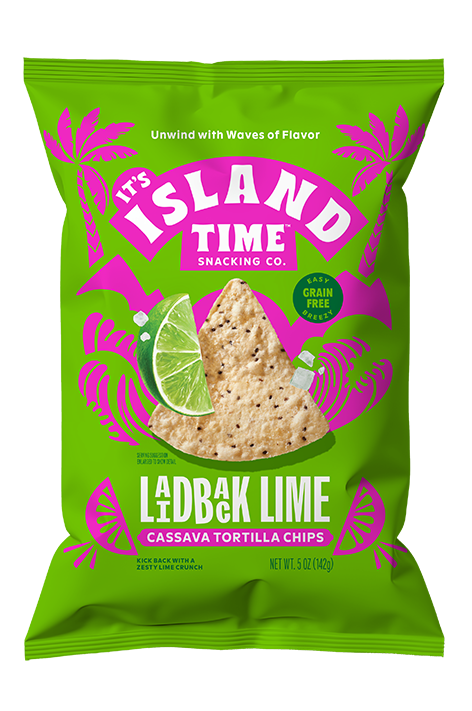
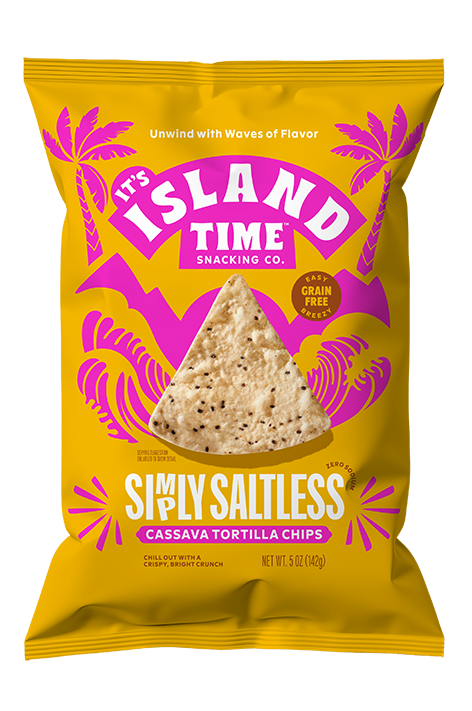
A clean label looks short, plain, and easy to read out loud. Island Time cassava chips are a handy example of what clean ingredient snacks can look like.
Made by Easy Foods, they’re built from with clean ingredients like cassava flour, avocado oil, and chia seeds. “No grain”, no gluten, no dairy, no seed oils.
They’re vegan, paleo-friendly, non-GMO, and lower in sodium than traditional chips. As founder William Isaias puts it, snacking can be “gluten-free, grain-free and delicious.”
You don’t sacrifice flavor for that simplicity. Surfin’ Salt leans salty and golden, Laidback Lime adds a bright citrus twist, and Simply Saltless keeps things pure for dipping.
Frequently asked questions about clean ingredient snacks
What makes a snack “clean”?
A clean snack uses a short list of recognizable, whole-food ingredients with no artificial dyes, flavors, or synthetic preservatives. There’s no legal definition, so the real test is the ingredient list. The shorter and more familiar it reads, the cleaner the snack usually is.
How many ingredients should a clean snack have?
There’s no magic number, but fewer is generally better. A snack with a handful of whole-food ingredients tends to be less processed than one with a long list of additives. Focus on quality and recognizability over a strict count, and watch the oil and additives closely.
Are cassava chips a clean ingredient snack?
They can be, when made simply. Cassava chips built from cassava flour and a better oil, with minimal extras, fit the clean-label idea well. Island Time cassava chips use cassava flour, avocado oil, and chia seeds, and skip grain, gluten, dairy, and seed oils.
Why do seed oils matter on a label?
Seed oils like soybean and canola are cheap and common, and many shoppers prefer to limit them. A snack that uses avocado oil instead is often a sign the brand cares about ingredient quality across the board. It’s an easy clue to spot on any label.
Where can I buy clean ingredient snacks online?
You can order clean ingredient snacks online from retailers like Walmart.com. Island Time cassava chips ship from Walmart.com in three flavors, or you can check the product locator for nearby stores.
Read the label, “trust your snack”
Clean ingredient snacks aren’t about chasing buzzwords. They’re about flipping the bag over and actually reading what’s inside. Once scanning a label becomes a habit, the genuinely clean options are easy to spot, whether you shop in person or look for healthy snacks online.
For a simple place to start, a bag of Island Time cassava chips shows what a short, honest label can taste like. Grab a flavor on Walmart.com and snack with confidence. Anytime is a good time for Island Time.
Buy Now at Walmart.com