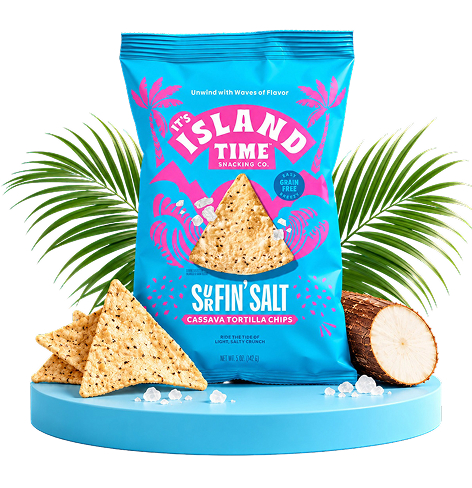
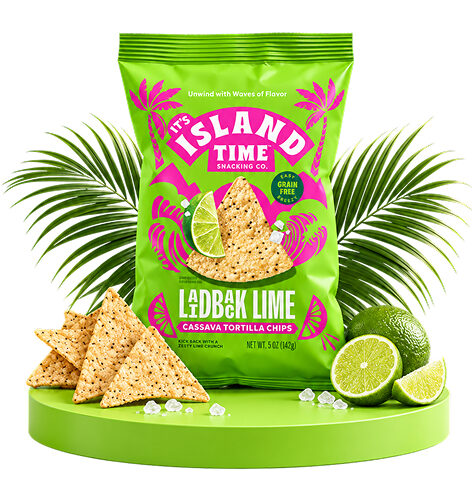
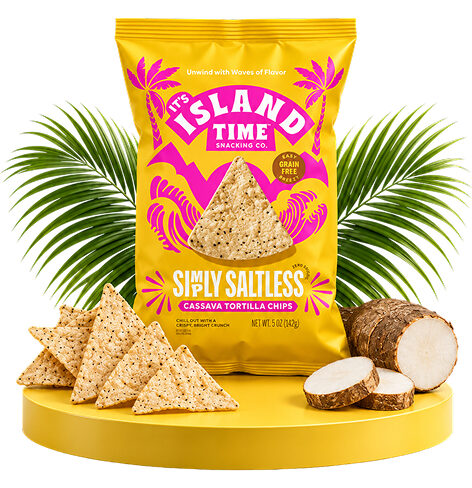
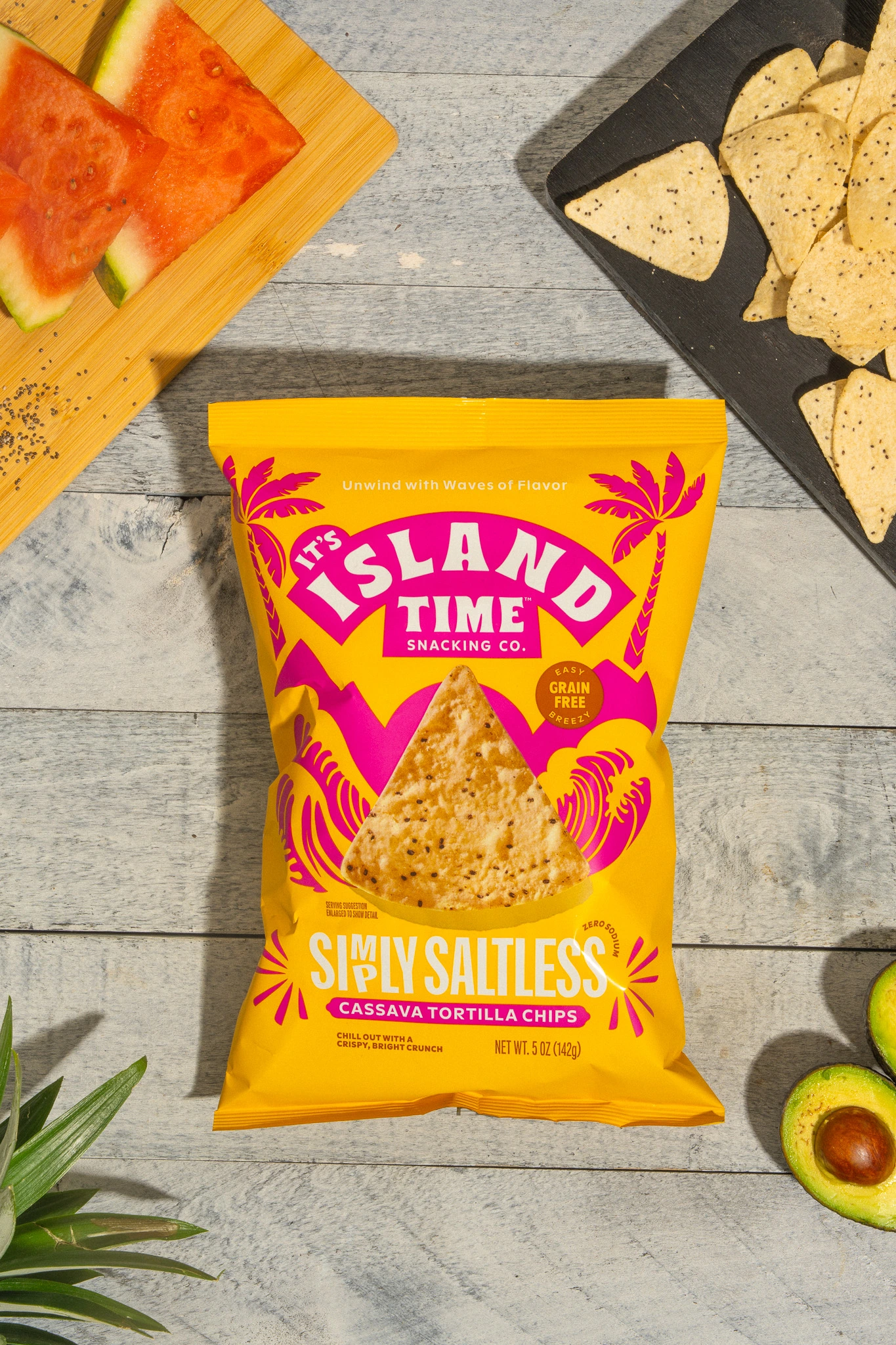
They all come from the same aisle, they’re all commonly fried and salted, and they all get marketed as the “better for you” chip. But plantain, banana, and cassava (yuca) chips aren’t nutritionally interchangeable and the differences are less about the plant they’re made from and more about how they’re processed, including the type of oil used for frying. Here’s what the numbers actually show.
The Short Answer
Per 1-ounce (28g) serving of the standard fried, salted version:
Snack | Calories | Fat | Carbs | Sugar |
Cassava (yuca) chips | ~145–150 | ~7–8g | ~19–20g | Minimal (savory versions) |
Plantain chips | ~150 | ~8g | ~18g | Minimal (savory versions) |
Banana chips | ~150–200 | ~8–10g | ~15–20g | Often added — varies widely by brand |
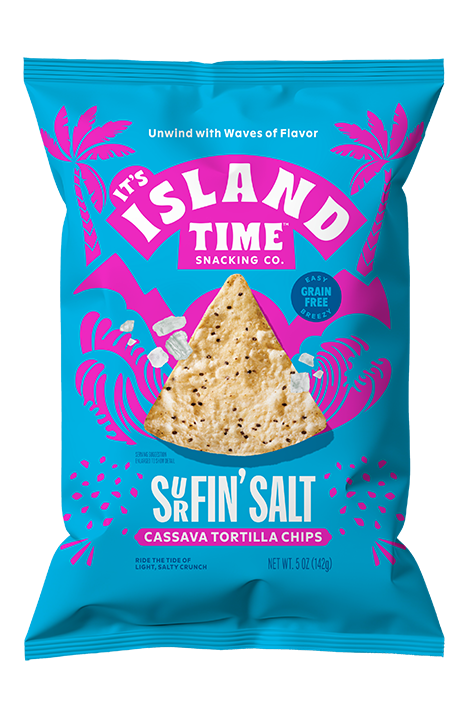
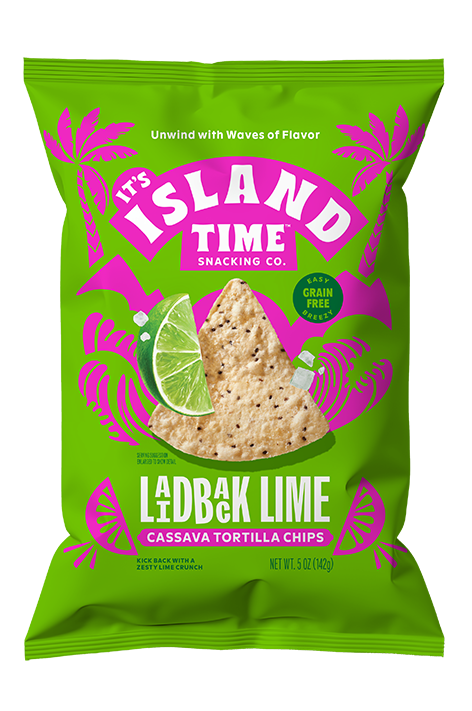
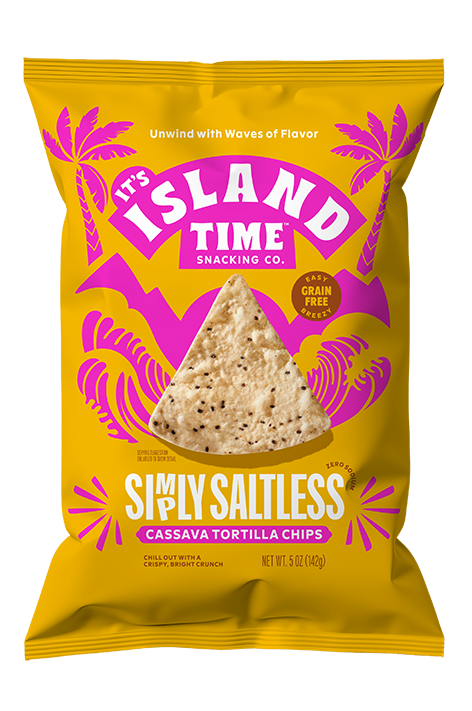
The takeaway: at a basic calorie and macronutrient level, fried plantain and fried cassava chips can fall into a similar range. But that doesn’t mean every fried chip is made the same way. Our cassava chips are fried in avocado oil, making the type of cooking oil an important distinction when comparing products.
Banana chips are often the outlier, not because bananas are a worse base ingredient, but because many commercial banana chips are coated in sugary syrup before frying, which raises both the sugar and calorie counts. A plain, unsweetened banana chip looks much more like the other two; a syrup coated one doesn’t.
Why the Frying Oil Matters
Frying naturally adds calories and fat because the food absorbs some of the cooking oil during the process. However, the fact that a chip is fried doesn’t mean all fried chips are nutritionally identical. The type of oil used also matters.
Plantain, banana, and cassava chips may be prepared using different oils depending on the brand and manufacturing process. Our cassava chips are fried in avocado oil, an oil naturally rich in monounsaturated fats. This creates an important distinction compared with products fried in other types of oils or made with added sweeteners.
So when you’re comparing three fried, salted snacks side by side, don’t look only at the base ingredient or the fact that they’re fried. It’s also worth checking what oil they’re fried in, whether sugar has been added, and how simple the overall ingredient list is.
Where the Real Differences Show Up
Added sugar. This is one of the biggest differentiators among the three. Plantain and cassava chips are typically savory salt, oil, and the base ingredient, nothing else. Banana chips are frequently sweetened with syrup or honey before frying, which is why some banana chip products carry more sugar and calories than a plain plantain or cassava chip of the same size.
Cooking method and cooking oil. Baked versions of these snacks generally contain less added fat than fried versions because they have less exposure to cooking oil. However, when choosing a fried chip, the type of oil matters too. A product fried in avocado oil has a different fat profile than one fried in other commonly used frying oils. That’s why it’s important to look beyond the word “fried” and check the ingredient list to see exactly which oil is being used.
Micronutrients. All three offer some potassium, and plantain chips in particular carry a modest amount of vitamin A from the fruit itself. These are minor advantages, though not enough to offset a heavily fried, sugar coated version of any of them.
What to Look for on the Label If You Want the Healthiest Option
- Check the cooking method and the oil used baked options generally contain less added fat, but if you’re choosing a fried chip, pay attention to the type of oil. Chips fried in avocado oil, for example, provide predominantly monounsaturated fats and can be a more thoughtful choice than judging a product simply because it’s fried.
- No added sugar check the ingredient list, especially for banana chips, where syrup coating is common.
- Short ingredient list root vegetable, oil, salt. The longer the list, the more processing (and often sugar) it has undergone.
- Naturally gluten free, but confirm on the label all three are gluten-free in their basic form; for a full explanation of what that claim actually requires, see our gluten free snacks guide.
For a related comparison on how cooking style affects a totally different category of chip, see our breakdown of kettle chips vs. regular chips the same principle applies here too: the way a chip is prepared, including the oil used, can be just as important as the base ingredient itself.
FAQ
Are plantain chips healthier than potato chips? Nutritionally, they’re often close in calories and fat per ounce. Plantain chips have a slight edge in potassium and vitamin A, but the full picture also depends on how they’re prepared, the oil used for frying, and whether additional ingredients have been added.
Are banana chips good for you? In moderation, yes but check the label first. Many commercial banana chips are coated in syrup before frying, which adds sugar and calories that plantain or cassava chips typically don’t have. An unsweetened banana chip is generally a better option than a heavily syrup coated one.
What’s the healthiest chip made from a root or fruit? There isn’t a single answer based solely on whether the chip is made from plantain, banana, or cassava. Look for no added sugar, a short ingredient list, and a clearly identified cooking oil. Baked options generally use less oil, but if you prefer fried chips, a product fried in an oil such as avocado oil can offer a different nutritional profile than one made with other frying oils.
Buy Now at Walmart.com