“Gluten free” appears on all kinds of snack packaging, but finding the right product takes more than spotting one phrase on the front of the bag. If you’re looking for gluten-free snacks, one of the most useful habits is learning to read the full package: the ingredient list, allergen information, product claims, and any relevant certifications.
That’s especially important because some foods are naturally gluten-free due to their ingredients, while others may contain unexpected sources of gluten from seasonings or added ingredients.
Here’s what to look for when you’re comparing snacks.
What Does Naturally Gluten-Free Mean?
Some ingredients simply don’t contain gluten by nature.
Cassava, potatoes, corn, rice, plantains, fruits, and vegetables are naturally gluten-free in their basic form. Gluten is primarily associated with grains such as wheat, barley, and rye.
According to the FDA’s guidance on gluten and food labeling, foods that are inherently free of gluten can be considered naturally gluten-free. But once those ingredients become part of a packaged snack, it’s still important to look at the complete recipe rather than judging the product only by its main ingredient.
That’s where the ingredient list becomes useful.
A cassava-based chip, for example, starts with a naturally gluten-free ingredient. But you still want to know what oils, seasonings, flavorings, and other ingredients have been added.
Why the Ingredient List Matters More Than the Front of the Bag
Front-of-package claims can help you quickly understand a product, but they don’t tell the whole story.
Think about a product that says “made with fruit juice.” That statement may be true, but it doesn’t tell you how much fruit juice the product contains or what else is in the recipe. When you turn the package around, the ingredient list gives you the context you need to understand what the product is actually made from.
The same principle applies when shopping for snacks.
A package may highlight terms such as:
- Naturally gluten-free
- Grain-free
- Vegan
- Made with avocado oil
- No seed oils
- Kosher
Those claims can be useful, but they should be considered alongside the full ingredient list.
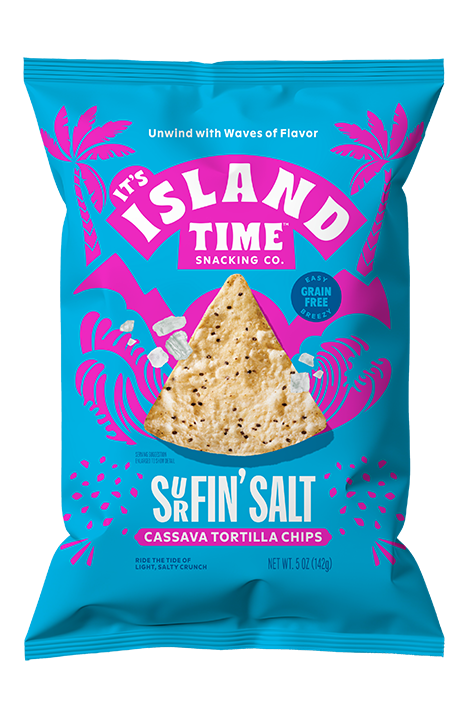
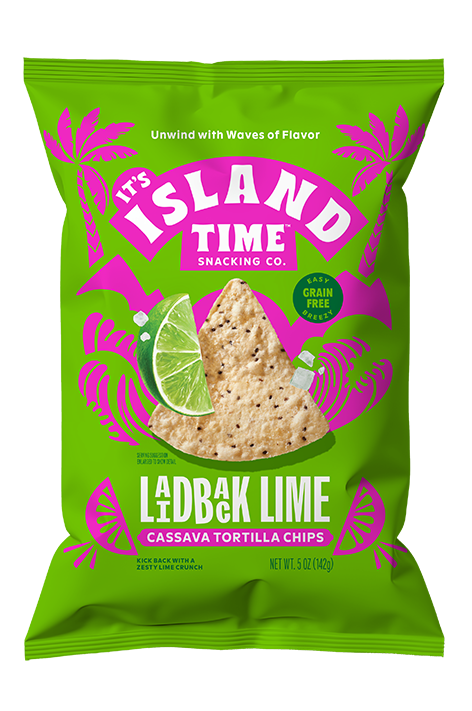
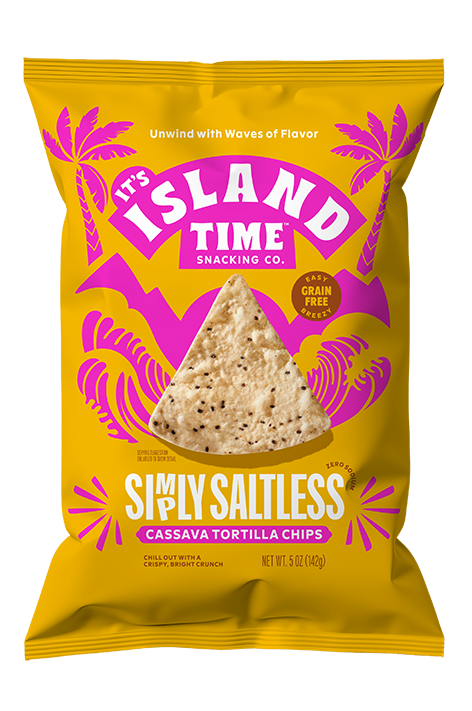
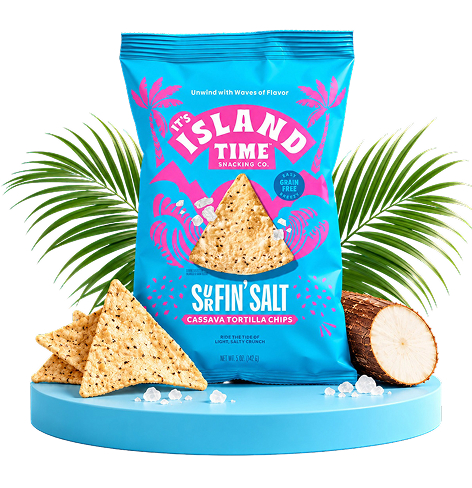
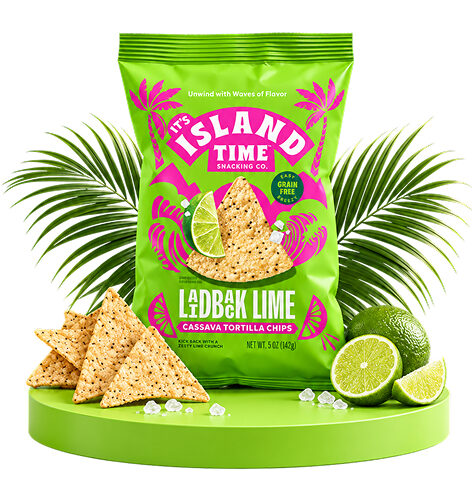
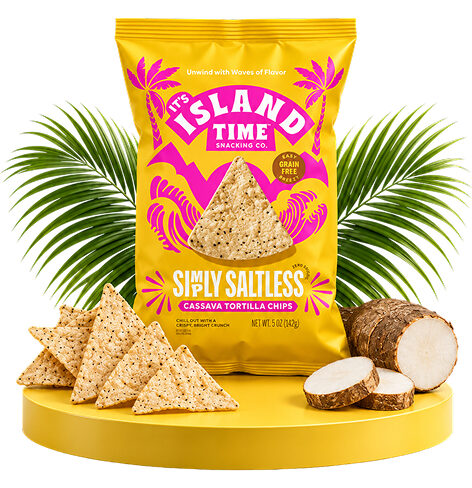
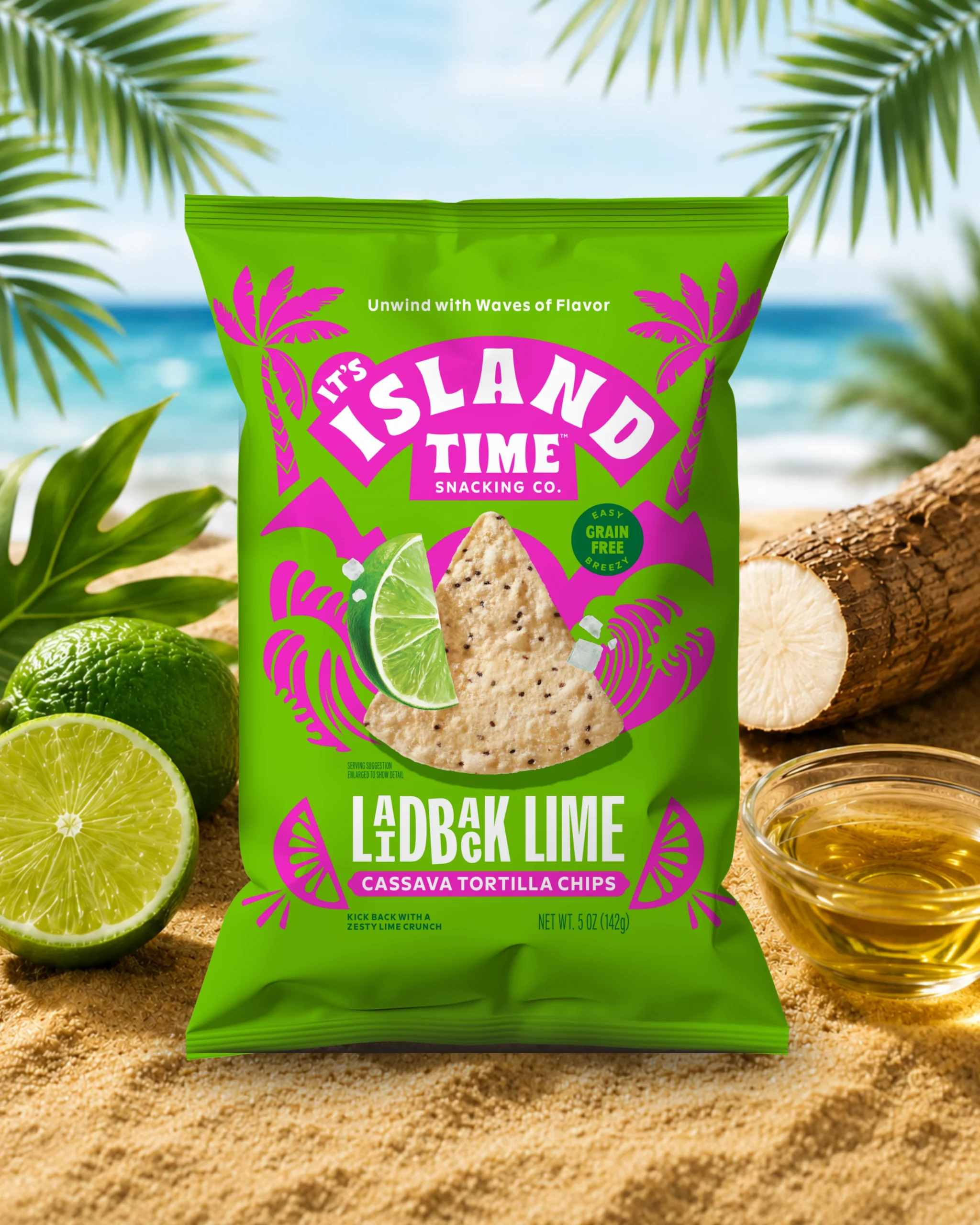
For example, Island Time Cassava Chips are made with ingredients including cassava flour, avocado oil, and chia seeds. Cassava and the other core ingredients used in the recipe are naturally gluten-free, which is why naturally gluten-free is the appropriate way to describe the ingredient profile.
Island Time products also carry STAR-K Kosher certification. Kosher certification is separate from gluten-free certification, so the two claims shouldn’t be treated as interchangeable.
Common Mistakes When Shopping for Gluten-Free Snacks
Assuming “wheat-free” means the same thing as gluten-free.
Wheat isn’t the only grain associated with gluten. Barley and rye contain gluten as well, so a wheat-free product can still include ingredients derived from other gluten-containing grains.
Looking only at the main ingredient.
Potatoes, cassava, corn, rice, and plantains are naturally gluten-free, but the final snack may also include seasonings, sauces, coatings, or other ingredients. That’s why the full ingredient list matters.
Ignoring flavorings and seasonings.
Flavored snacks typically have longer ingredient lists than plain salted versions. Ingredients such as malt flavoring or malt vinegar, for example, are commonly derived from barley, so they’re worth spotting when you’re reviewing a package.
Relying only on front-of-package callouts.
Terms highlighted on the front of the bag are useful shortcuts, but they’re only one piece of information. Turn the package around and see how those claims line up with the actual ingredients.
How to Read a Snack Label in 30 Seconds
- Start with the ingredient list.
Look at what the snack is actually made from. Short, recognizable ingredient lists make it easier to understand the product. - Check the base ingredient.
Cassava, corn, rice, potatoes, and plantains are naturally gluten-free starting points. - Look for wheat, barley, rye, and malt-based ingredients.
Don’t stop after checking for wheat alone. - Review seasonings and flavorings.
A plain chip may have a very different ingredient list from a heavily seasoned version of the same snack. - Then look at package claims and certifications.
Claims such as naturally gluten-free, grain-free, vegan, or made with avocado oil provide additional context. Third-party certifications can also tell you something specific about how a product has been evaluated.
The important point is to use the front and the back of the package together, rather than relying on a single phrase.
Naturally Gluten-Free Snack Categories Worth Knowing
Several snack categories start with ingredients that are naturally gluten-free:
- Cassava (yuca) chips — cassava is a naturally gluten-free root vegetable. Island Time uses cassava flour as the base of its tortilla-style chips, along with avocado oil and chia seeds.
- Plantain chips — plantains are naturally gluten-free, although it’s still worth reviewing the oil, seasonings, and other ingredients.
- Corn-based snacks — corn itself is naturally gluten-free, but flavored versions can contain additional ingredients.
- Rice-based snacks — rice crackers and rice cakes also begin with a naturally gluten-free grain, with the final ingredient list determining the full recipe.
- Potato chips — potatoes are naturally gluten-free, although flavored potato chips deserve a closer look because their seasoning blends can vary significantly.
For a deeper comparison of root- and fruit-based chips, see our breakdown of plantain, banana, and cassava chips.
One category where the cooking style doesn’t tell you much about gluten is potato chips. Whether they’re kettle-cooked or made using a conventional continuous frying process doesn’t determine their ingredient profile. Our guide to kettle chips vs. regular chips explains the differences in texture and cooking method.
How Island Time Fits In
Island Time takes a simple-ingredient approach to cassava chips.
The chips use cassava flour, avocado oil, and chia seeds as core ingredients, combining a naturally gluten-free root vegetable with a straightforward ingredient profile.
Rather than relying solely on a front-of-package statement, shoppers can turn the bag around to see the ingredients that make up the product.
That’s the approach we recommend throughout this guide: read the claims, then verify what they mean by reading the ingredients.
Island Time’s products are also STAR-K Kosher-certified, giving shoppers another independently verified attribute. Kosher certification serves a different purpose from gluten-free certification, so each should be understood separately.
FAQ
Are potato chips naturally gluten-free?
Potatoes themselves are naturally gluten-free. With packaged potato chips, check the full ingredient list because seasonings and flavorings vary from one product to another.
Are plantain and cassava naturally gluten-free?
Yes. Plantains and cassava are naturally gluten-free ingredients. When they’re packaged as snacks, review the complete ingredient list to see what else has been added.
Are Island Time Cassava Chips naturally gluten-free?
Island Time chips are made with naturally gluten-free ingredients such as cassava flour, avocado oil, and chia seeds. We describe the product as naturally gluten-free rather than as gluten-free certified.
Are Island Time Chips Kosher certified?
Yes. Island Time’s Surfin’ Salt, Laidback Lime, and Simply Saltless Cassava Tortilla Chips are STAR-K Kosher certified. This certification is separate from gluten-free status.
Is wheat-free the same as naturally gluten-free?
Not necessarily. Wheat is only one source of gluten. Barley and rye also contain gluten, so it’s important to read the entire ingredient list rather than checking only for wheat.
Buy Now at Walmart.com