Kettle chips get marketed as the premium, more “natural” option thicker, crunchier, and often pricier. Regular chips are the everyday, lighter-textured default. The two really are made differently. But when comparing kettle chips vs regular chips, the biggest differences aren’t necessarily about which one is “healthier.” They’re about thickness, texture, frying technique, and something that often gets overlooked: the type of oil they’re fried in.
What Makes a Chip a “Kettle Chip”?
If you’ve ever wondered what kettle chips are, the answer starts with how they’re cooked.
Kettle chips are traditionally cooked in small batches. A load of sliced potatoes goes into a kettle of hot oil, the oil temperature drops when the cold potatoes hit it, and the batch cooks as the temperature climbs back up.
That batch-by-batch process is typically combined with a thicker cut. The result is the dense, substantial crunch and slightly uneven, “hand-cooked” appearance kettle chips are known for.
Their signature texture doesn’t come from a completely different ingredient. It comes primarily from the cut of the potato and the frying process.
How Regular Chips Are Made
Regular chips generally go through a continuous fryer at a steadier temperature rather than being cooked one batch at a time.
Combined with a thinner slice, this produces the light, uniform crisp most people associate with a standard bag of potato chips. It’s also a faster, higher-volume production method, which is one reason regular chips are commonly found across virtually every snack aisle.
So when comparing kettle chips vs regular chips, the basic distinction is straightforward:
Kettle chips tend to be thicker, crunchier, and batch-fried, while regular chips tend to be thinner, lighter, and continuously fried.
But both are still fried snacks which means the next question shouldn’t only be how they’re fried. It should also be what they’re fried in.
Is One Healthier Than the Other?
Not necessarily.
Despite their premium positioning, kettle chips and regular chips commonly share the same core ingredients: potatoes, oil, and salt. Their calories, carbohydrates, and fat per serving can therefore fall within a similar range.
The thicker texture or batch-cooked appearance of a kettle chip doesn’t automatically give it a nutritional advantage over a regular chip.
Instead, one of the most relevant differences among fried snacks lies in the ingredient list: the cooking oil.
Many conventional potato chips use common frying oils or blends selected for large-scale snack production. Other products take a different approach by choosing a specific oil as part of the recipe.
That’s where cassava chips can offer a different perspective on the traditional fried-chip category.
The Frying Oil Matters Too
Frying doesn’t have to be treated as a single, identical cooking method across every chip.
The type of oil used during frying changes the fat profile of the final product and can be an important consideration when comparing snack options.
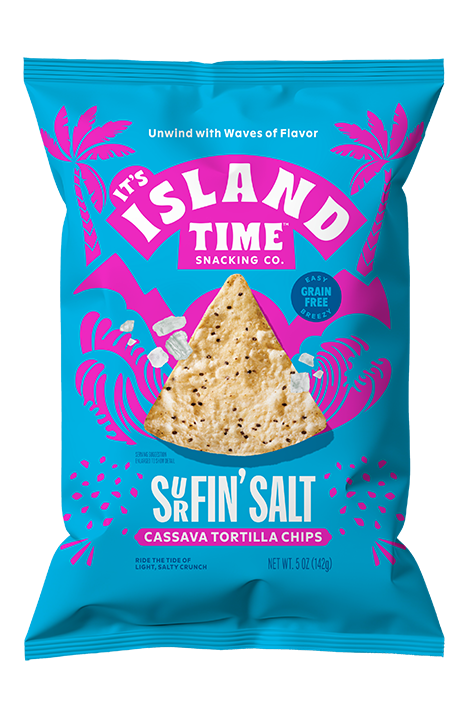
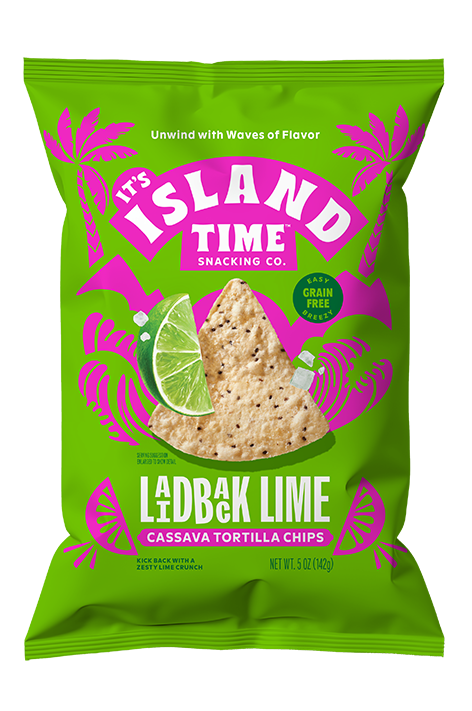
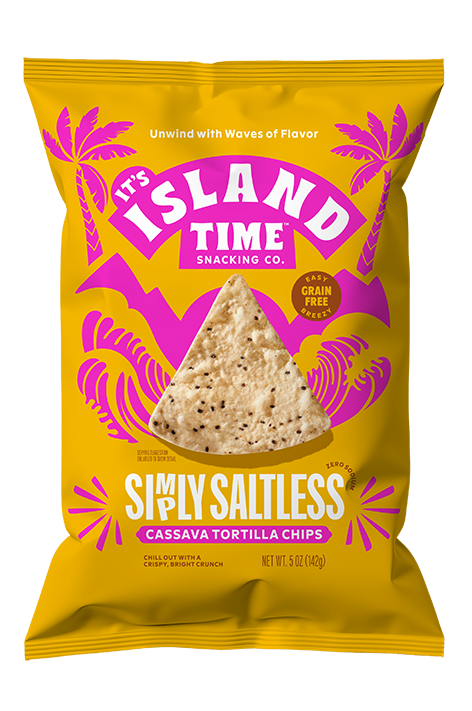
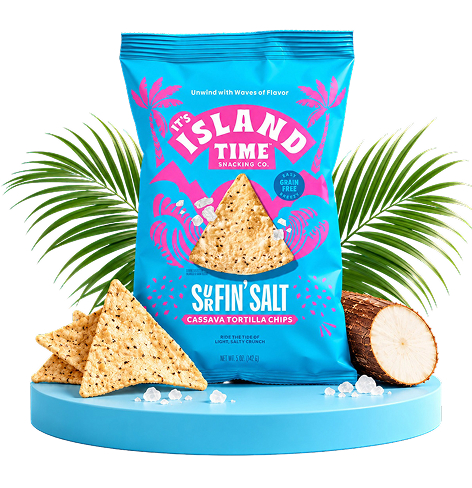
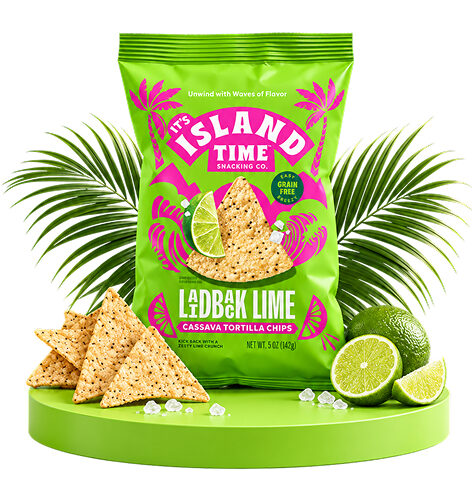
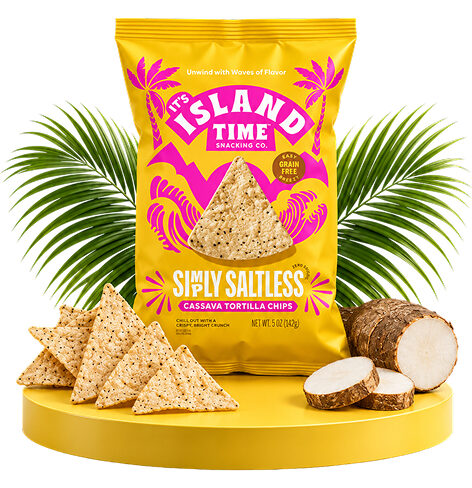
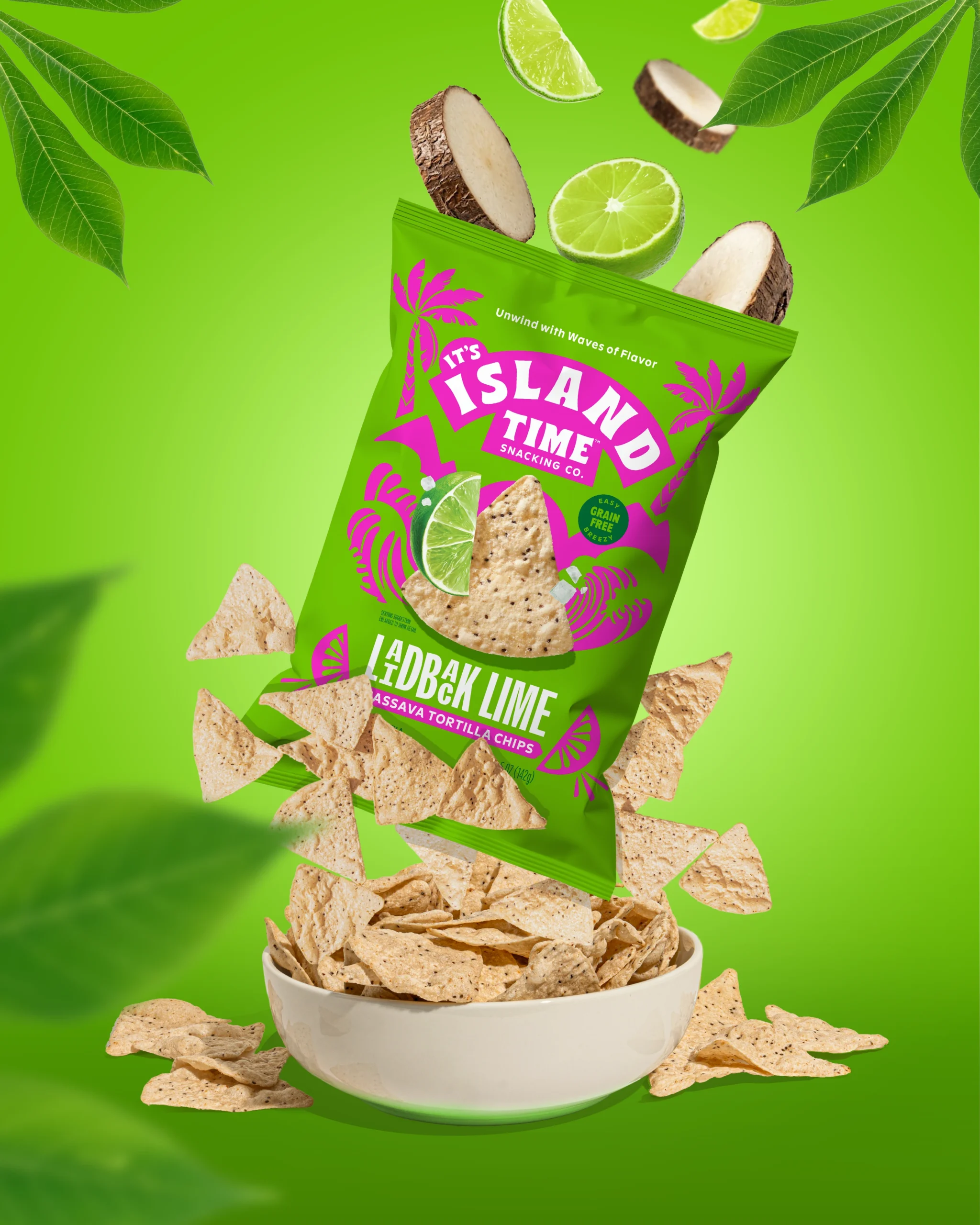
Our cassava (yuca) chips are fried in avocado oil rather than in the conventional oils commonly associated with many mass-produced potato chips.
Avocado oil contains a high proportion of monounsaturated fats, giving it a different fat composition from many commonly used frying oils.
That means the comparison isn’t simply:
fried vs. baked.
A more useful comparison is:
What is the chip made from? How is it fried? What oil is being used? And what else is on the ingredient list?
Cassava also delivers a naturally substantial crunch, making cassava chips an appealing option for people who enjoy the firm, satisfying texture of kettle style chips but want something beyond the traditional potato base.
Beyond Kettle vs. Regular: Look at the Whole Ingredient List
When comparing kettle chips vs regular chips, focusing only on the production style misses part of the picture.
Instead, look at:
- The frying oil check which oil appears on the ingredient list rather than assuming all fried chips use the same oil.
- The ingredient list a simple combination of cassava, avocado oil, and seasoning is easy to understand.
- Added sugar some snack products include sweeteners that can change their nutritional profile.
- The base ingredient potatoes aren’t the only option. Cassava (yuca) provides a different root vegetable base while still delivering a satisfying crunch.
- Serving size nutrition comparisons only make sense when you’re comparing equivalent portions.
This approach gives you a much more useful picture than assuming a kettle chip is automatically better because it looks more artisanal or that all fried chips should be grouped together nutritionally.
For another look at how different base ingredients and preparation methods compare, see our breakdown of plantain, banana, and cassava chips.
It’s also worth checking the label for another reason: some flavored potato chips may contain gluten or be produced in facilities where cross-contact is possible, regardless of whether they’re kettle- or regular-style. If that matters to you, our gluten-free snacks guide covers what to look for.
FAQ
Do kettle chips have more calories than regular chips?
They’re generally comparable, though the exact nutritional value depends on the brand, serving size, ingredients, and frying process. The thicker texture of a kettle chip doesn’t automatically make it more or less nutritious than a regular chip.
What are kettle chips?
Kettle chips are typically thicker cut potato chips cooked in batches rather than through the continuous frying process commonly used for regular potato chips. This cooking method helps produce their characteristically dense, firm crunch.
Are kettle chips healthier than regular chips?
Not automatically. Both are fried potato snacks and can have similar calories and fat per serving. A better comparison includes the ingredient list, portion size, seasoning, and especially the type of oil used for frying.
Why does the frying oil matter?
Different oils have different fatty acid profiles. Looking at which oil is used gives you more information about a fried snack than simply categorizing it as “fried.”
What’s an alternative to traditional fried potato chips?
Cassava (yuca) chips provide a different root-vegetable base while maintaining the satisfying crunch people often look for in kettle-style snacks. Our cassava chips are fried in avocado oil, offering a different approach to the traditional fried potato chip rather than imitating a baked snack.
Buy Now at Walmart.com